Security deposit deductions
Updated 2026-10-18, 8 min read
20%
What a ten-year carpet replaced in year eight is worth as a deduction: the two years of life it had left, never the price of a new one.
A deduction is a claim, and every claim needs three things: permission in the statute and the lease, evidence of the change in condition, and a number you can justify. Miss any one and the whole line usually falls.
Wear and tear is a legal standard, not an opinion
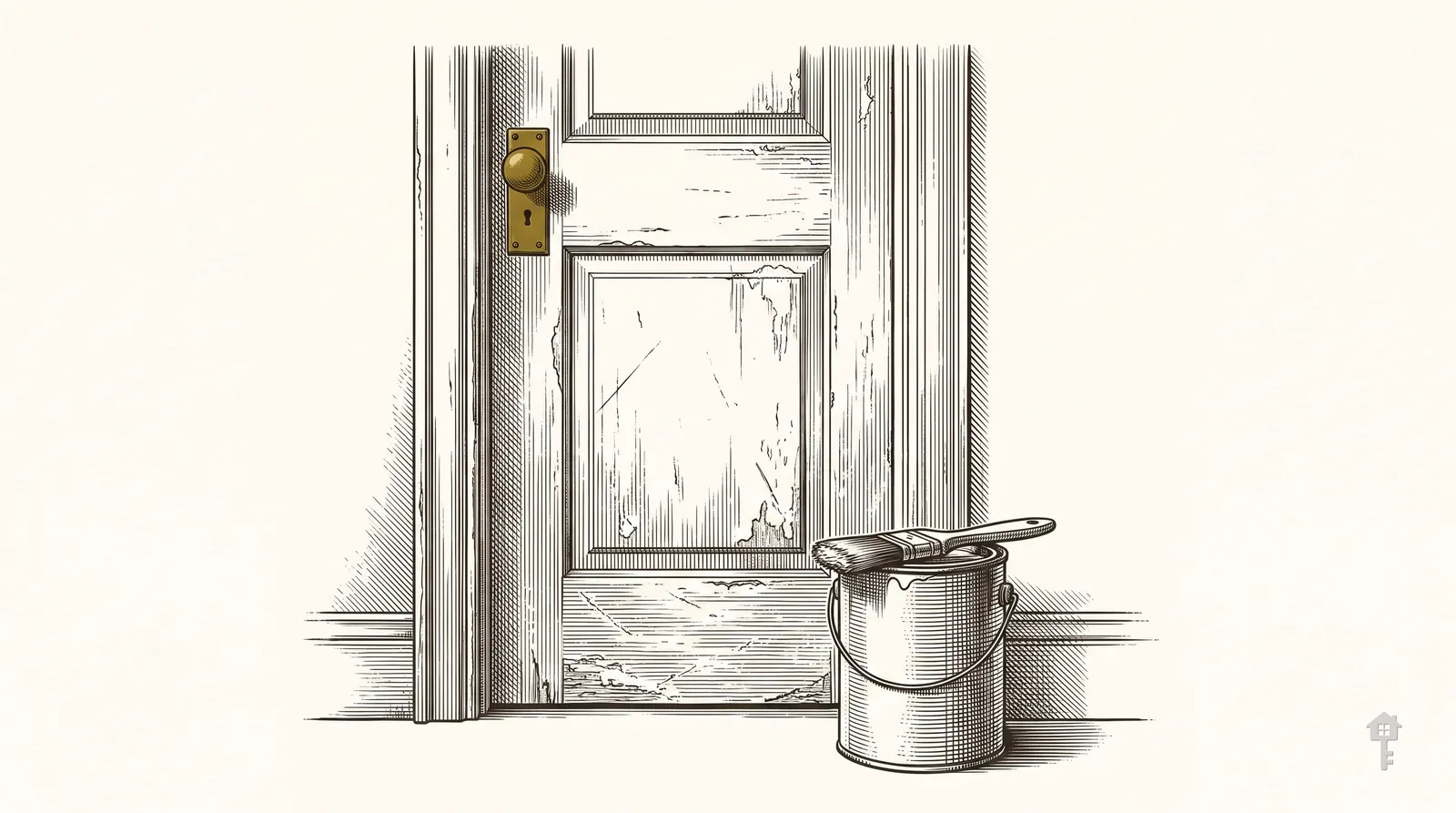
Ordinary wear and tear is the deterioration that happens through normal use over time by a reasonably careful occupant. It is not a synonym for "minor". A carpet worn through in a hallway after six years may be wear; a small burn after six weeks is damage.
| Item | Wear | Damage |
|---|---|---|
| Interior paint | Dulling, scuffs at furniture height | Unapproved colour, crayon, smoke staining |
| Carpet | Flattening in traffic lanes | Pet staining to the pad, burns, tears |
| Bathroom | Grout discolouration | Cracked tile, a fan removed, mould from a leak unreported |
| Doors | Loose hinge, worn handle finish | Hole, removed door, forced frame |
Ageing the item before you charge
Assign the item a useful life, work out how much of it was left, and charge that fraction. A carpet with a ten-year life replaced in year eight has two years left: charge two-tenths of the replacement, not ten-tenths.
- 01Assign the useful life you would defend in front of a judge.
- 02Subtract the years already used.
- 03Multiply the replacement cost by the remaining fraction.
- 04Attach the invoice or written estimate to that line.
Full replacement on an aged item loses the whole line
Adjudicators do not usually reduce an unreasonable charge; they strike it. Ageing your own numbers is what keeps the rest of the statement credible.
Cleaning is the most disputed line
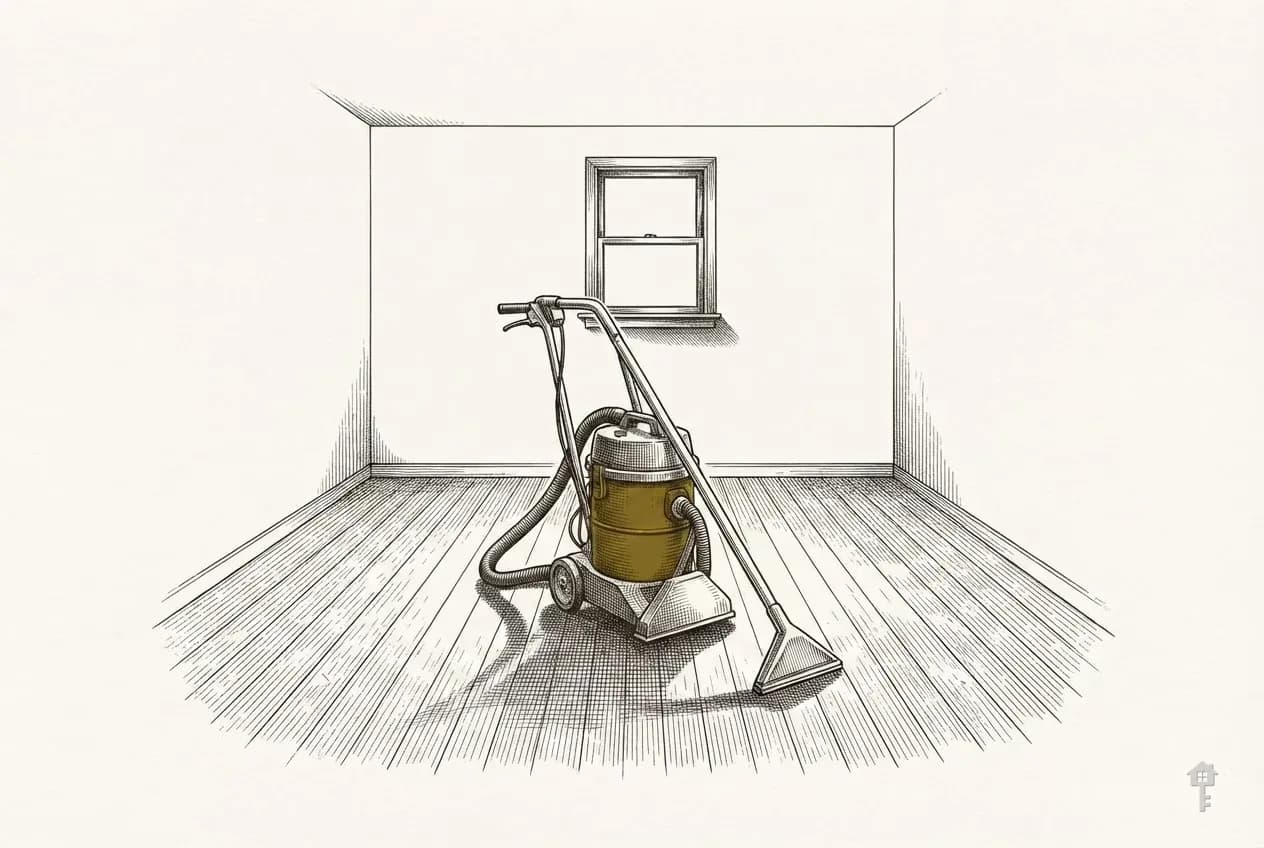
Where cleaning is deductible at all, it is deductible to the move-in standard, not to a professional standard you did not provide at move-in. A lease clause requiring professional carpet cleaning regardless of condition is unenforceable in several states.
- Charge the actual invoice, not a flat "cleaning fee".
- Photograph the condition that justified the call-out.
- If the unit was not professionally cleaned before move-in, do not charge for it at move-out.
The file that settles it
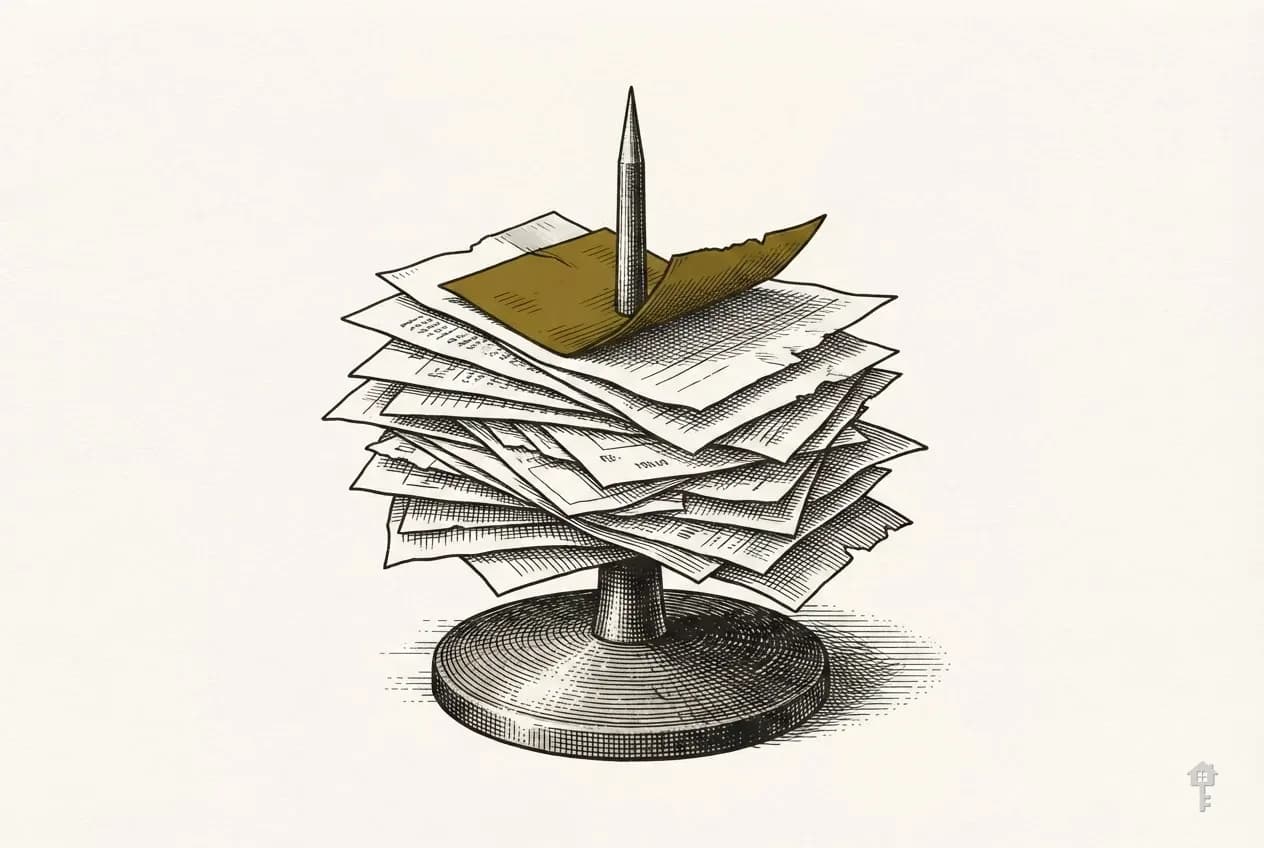
Signed move-in and move-out condition reports in the same order, dated photographs for every damage line, invoices or estimates, and the ledger showing the rent position. Build it with the move-out inspection checklist and hand it over with the statement from the deduction calculator. In California the photographs are no longer optional: the statute wants them after the unit is handed back and before the work you deduct for, again after that work, and at move-in for tenancies that began on or after July 1, 2025.
Then post it inside the window — 21 calendar days in California (Civ. Code § 1950.5, checked 2026-10-18) — because a perfect statement sent late is often worth nothing at all.
Sources read for this page
- Cal. Civ. Code § 1950.5checked 2026-10-18