Security deposit laws by state
Updated 2026-10-18, 11 min read
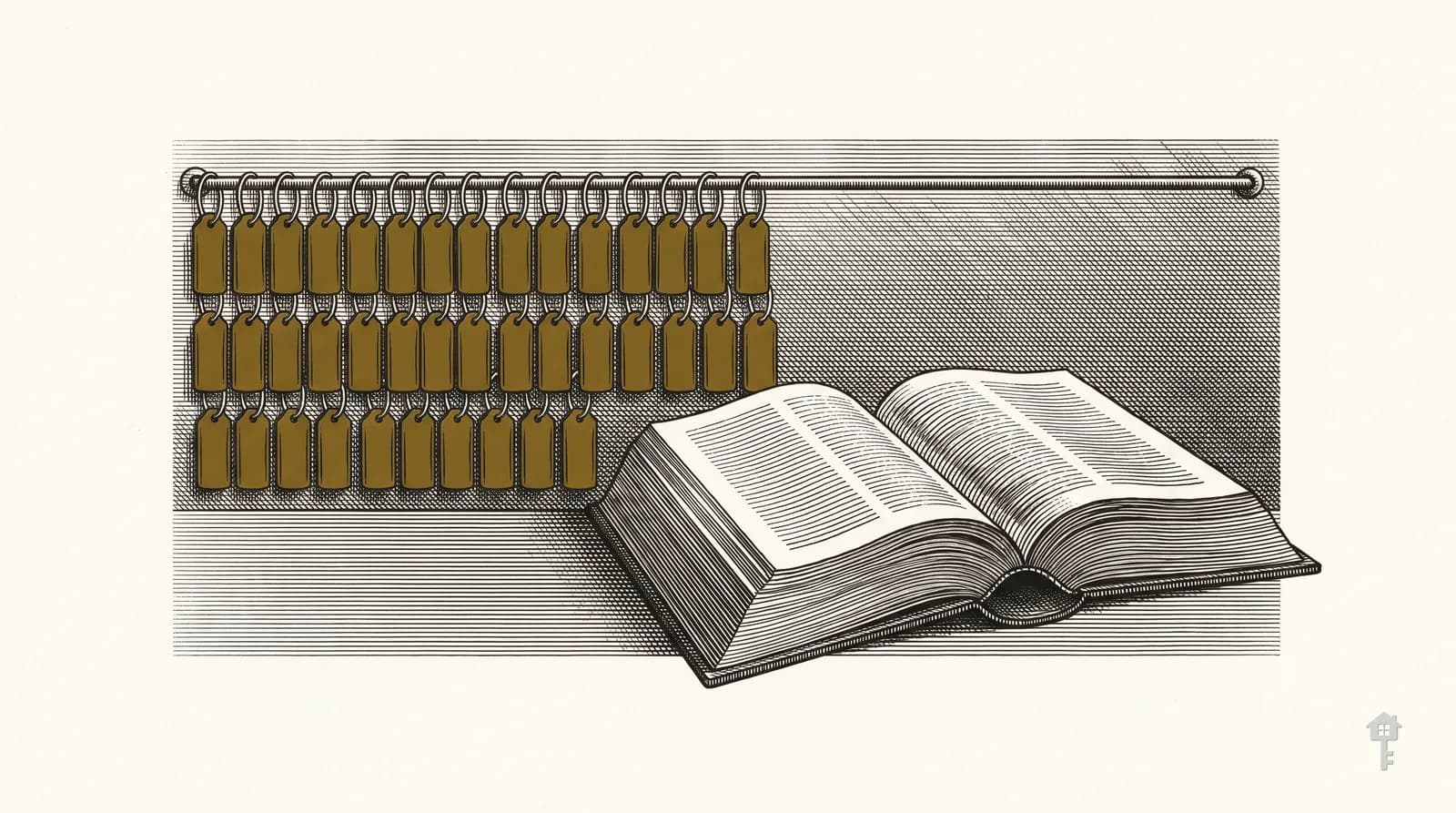
One month
CACalifornia's deposit cap: one month's rent on top of the first month's rent, for most landlords — Civ. Code § 1950.5(c), checked 2026-10-18.
There is no federal security deposit law. Everything — how much you may take, where it must sit, whether it earns interest, and how fast it must come back — is set by the state, and increasingly by the city inside it.
The four questions every deposit rule answers
However the statute is drafted, it is answering the same four questions. Find each one for your state before the first cheque clears, and write the answers into the lease.
- 01Cap — how many months' rent may you hold, including any pet or last-month money.
- 02Custody — must it sit in a separate account, in-state, interest-bearing, and must you tell the tenant where.
- 03Interest — is any owed, at what rate, and paid when.
- 04Return — how many days after what event, and what happens if you miss it.
Write the answers into the lease
A lease that states the cap, the account and the return window is a lease that survives a dispute. It also stops you from quietly changing the rule between tenancies.
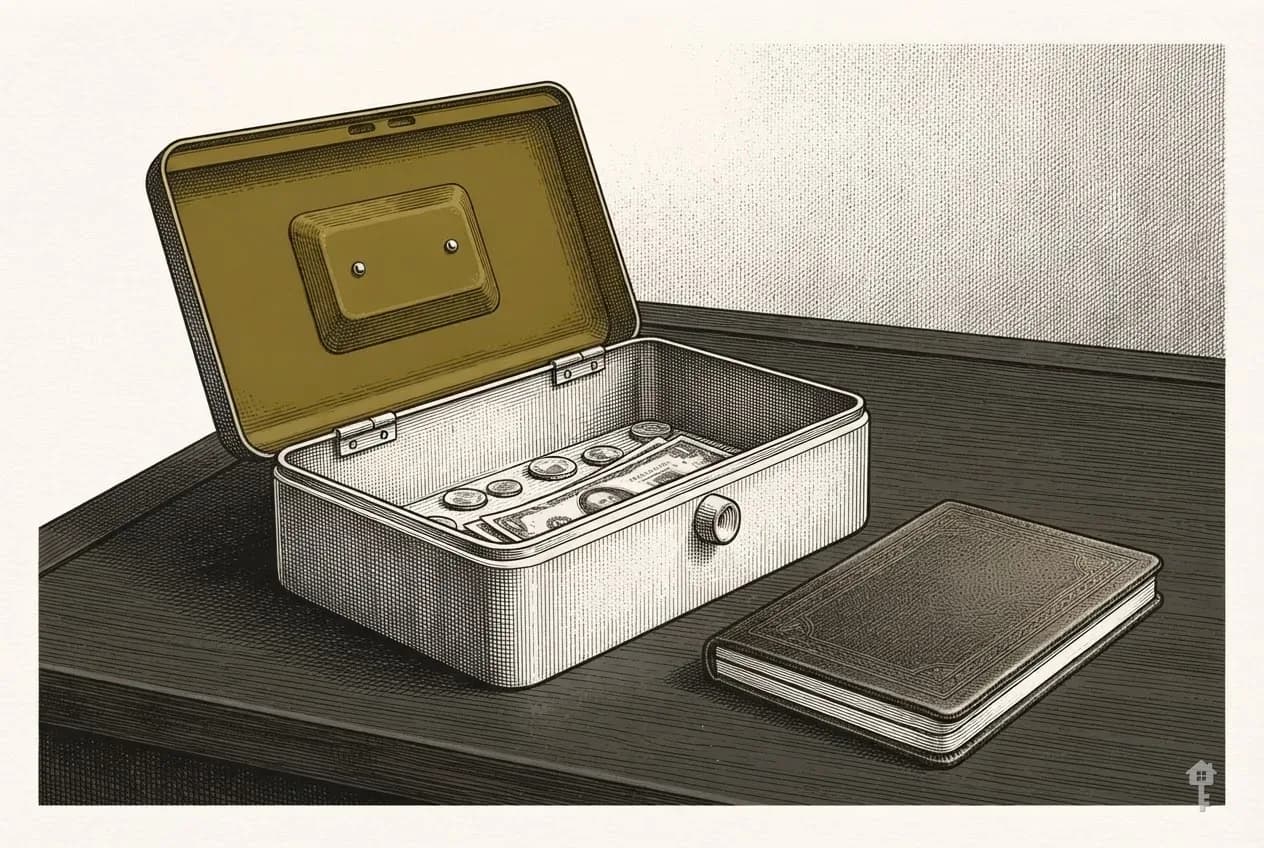
Caps: the number moved recently in several states
California is the clearest recent example. Its cap is now one month's rent in addition to first month's rent — with two months available where the landlord is a natural person, or an LLC whose members are all natural persons, owning no more than two residential rental properties with no more than four units between them — and even then not when the tenant is a service member (Civ. Code § 1950.5, checked 2026-10-18).
Elsewhere the cap, where a state sets one, is that state's own number — and as California's service-member rule shows, it can turn on who the tenant is. A pet deposit usually counts toward the same cap; a non-refundable pet fee often does not, where fees are permitted.
Last month's rent is usually part of the cap
Collecting first, last and a full deposit is over the line in most capped states. Where you want the security, take the deposit; where you want the certainty, take a longer term.
Custody: separate accounts and notice
A large group of states require the deposit to be held apart from your own money, and a smaller group require the account to be in-state and interest-bearing. Several require written notice to the tenant, within a set number of days, naming the institution and the account.
- One deposit account per portfolio is usually enough where separation is required.
- Never pay an operating expense out of it, even briefly, and even if you replace it the same day.
- Record the deposit and its account on the rent ledger at move-in.
- Where interest is owed, the deposit interest calculator works the figure.
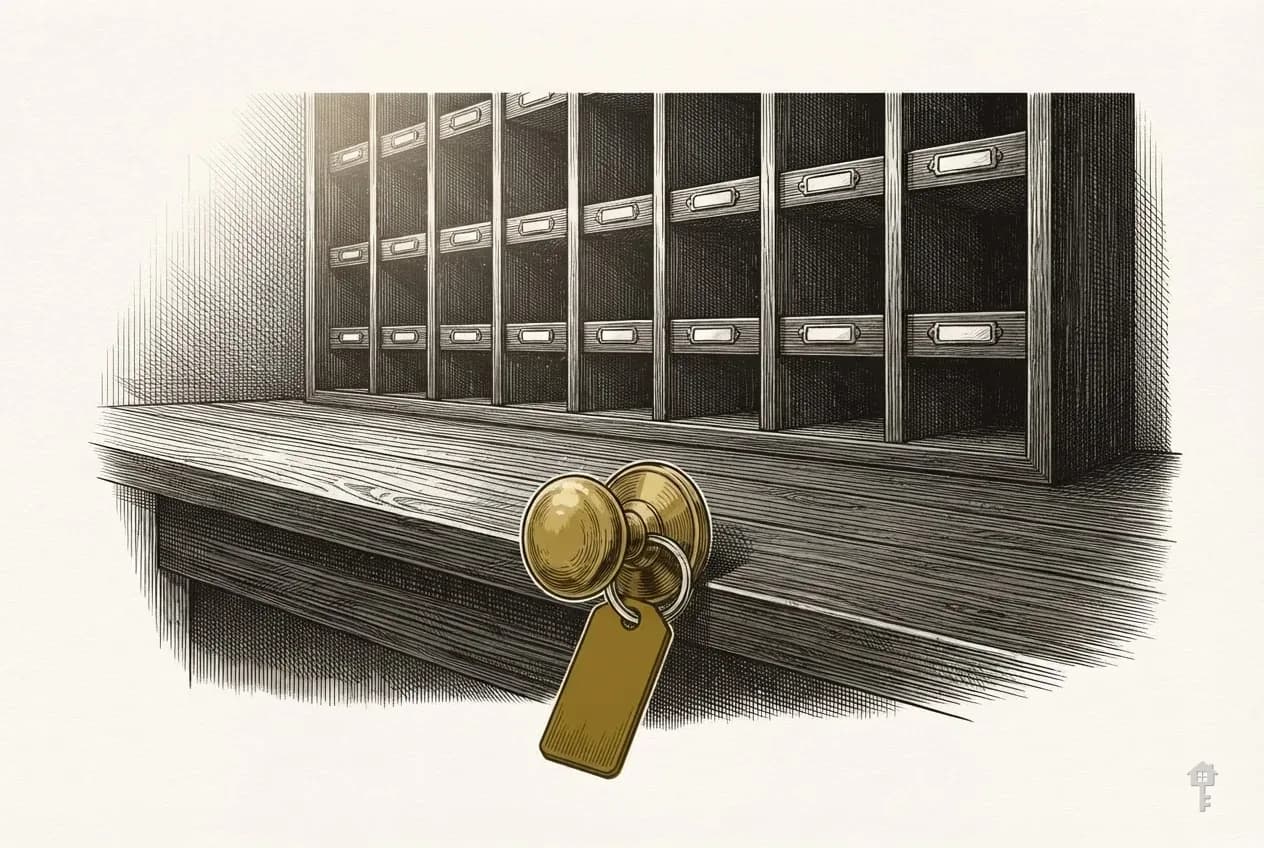
Return: the clock and the penalty
The clock usually starts when the tenant vacates or when the tenancy ends — those are different dates and the statute will say which. California uses 21 calendar days after the tenant has vacated. Other states set their own window, and the number varies widely.
The penalty for missing it is what makes this the most expensive mistake in small-scale landlording. Depending on the state it can be forfeiture of the deductions, a multiple of the deposit — in California, statutory damages of up to twice the deposit for bad-faith retention, on top of actual damages — plus the tenant's legal costs. The clocks in detail are in security deposit return deadlines.
| What the statute names | Why it matters |
|---|---|
| The triggering event | Vacating and termination can be weeks apart |
| Calendar or business days | A 14-business-day rule is nearly three weeks |
| What must be sent | Statement, receipts, and any balance — often all three |
| Where it must be sent | The forwarding address, if the tenant gave one |
What to do with all of this
- 01Find your state's statute once, and the city ordinance if you are in a large city.
- 02Write the cap, the account, the interest rule and the return window into a one-page note.
- 03Put the same four facts into the lease.
- 04Build the move-out inspection and the deduction statement around that window, not around your schedule.
Nothing on this page is legal advice, and no state summary survives contact with a city ordinance. Read your own statute before you hold, deduct from, or return a deposit.
Sources read for this page
- Cal. Civ. Code § 1950.5checked 2026-10-18