Lease vs rental agreement
Updated 2026-09-04, 6 min read
60 / 30 days
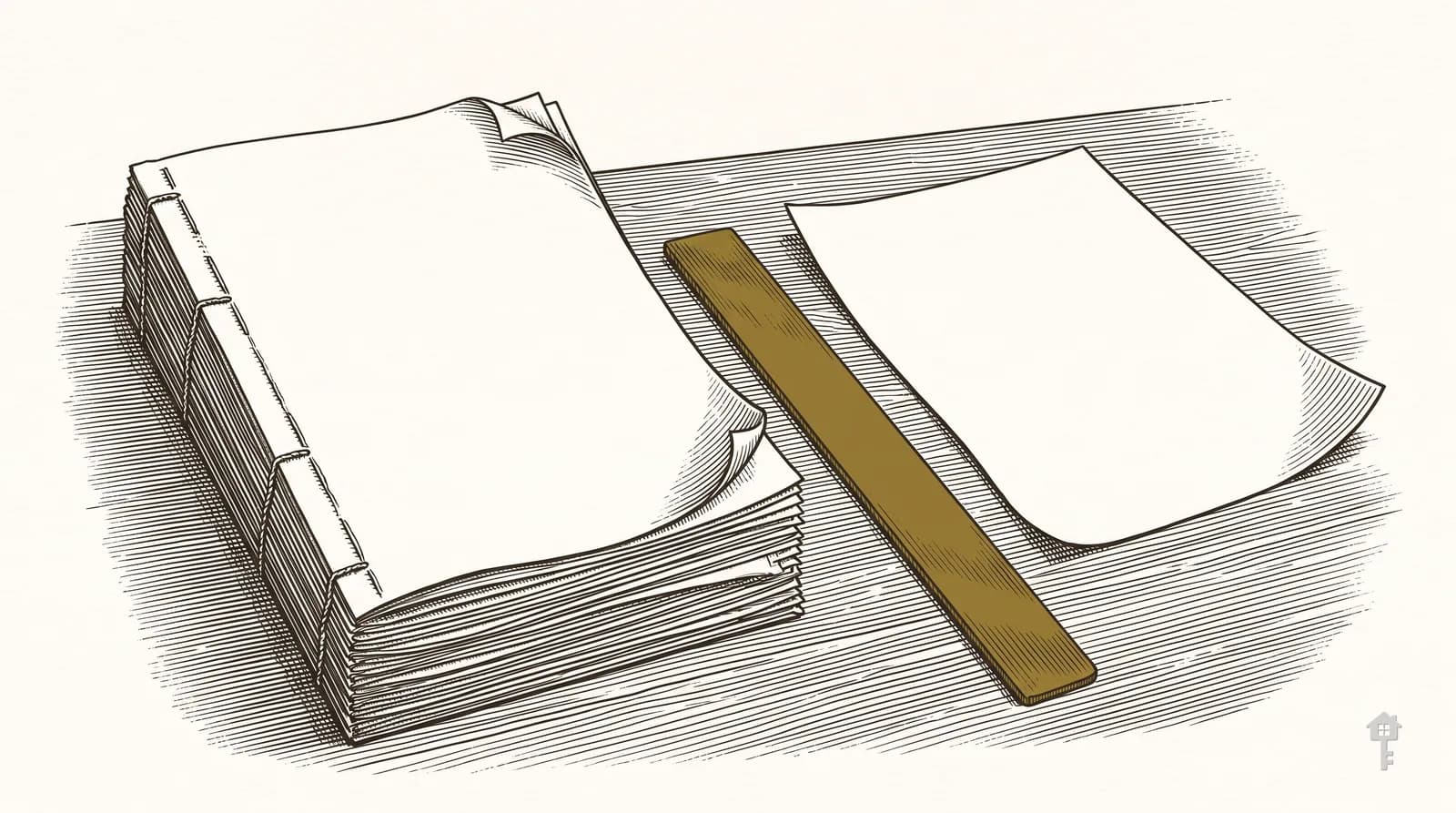
A lease locks both sides for a term. A rental agreement renews itself until somebody gives notice.
The phrases are used interchangeably and they are not the same thing. A lease runs for a fixed term. A rental agreement is periodic — usually monthly — and continues until one side ends it with notice.
The difference, in one table
| Line | Fixed-term lease | Periodic (month-to-month) |
|---|---|---|
| Duration | Set term, usually 12 months | Renews each period |
| Rent changes | Only at renewal | On statutory notice |
| Ending it | At term, or by breach | Notice by either side |
| Tenant flexibility | Low | High |
| Your vacancy risk | Concentrated at term end | Spread across the year |
Everything else — deposits, entry, maintenance, habitability — is identical. The statute does not care what you called the document.
Notice periods on a periodic tenancy
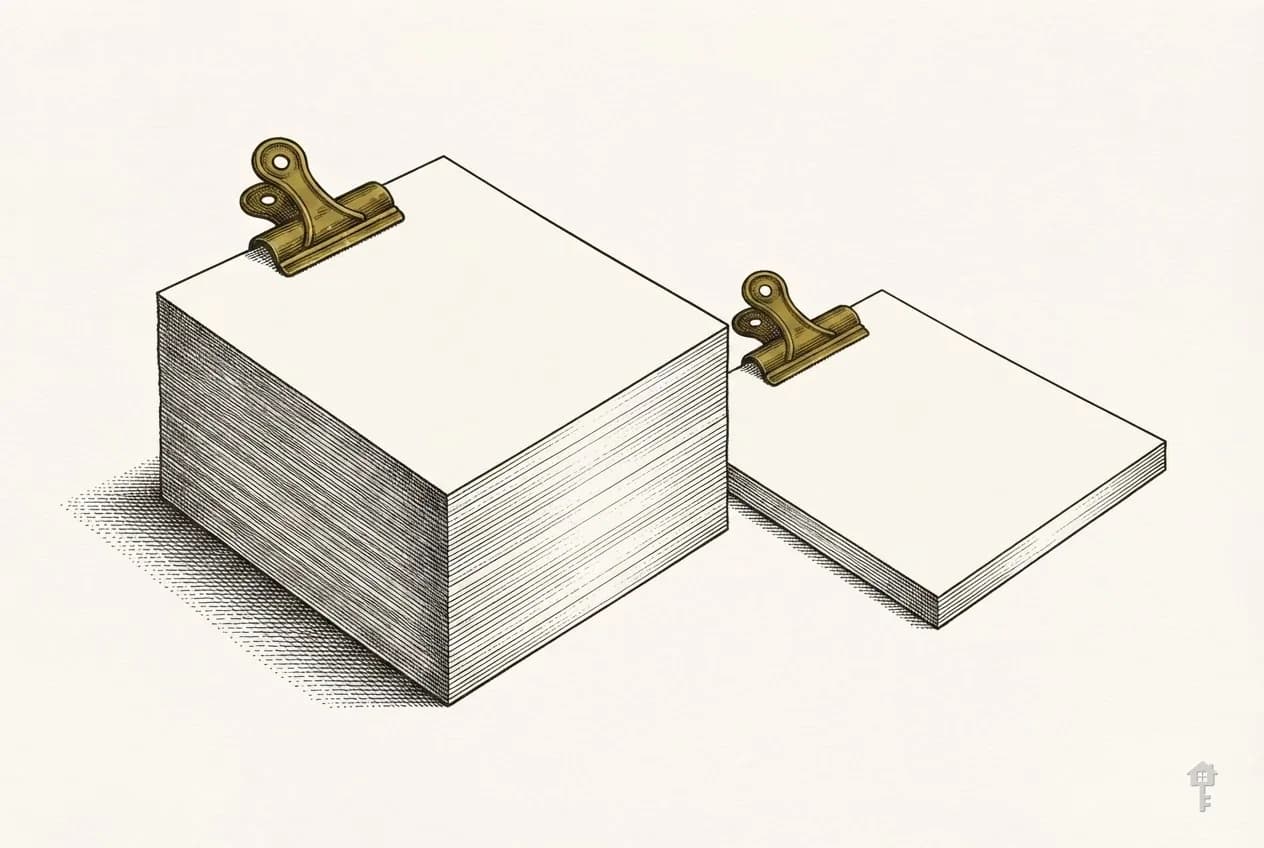
The notice period is set by statute and can be asymmetric. California requires a landlord to give 60 days where the tenant has lived there a year or more, and 30 days below that, while the tenant gives notice at least as long as the period (Civ. Code § 1946.1, checked 2026-09-04).
Asymmetry is normal, not unfair
Statutes commonly require more of the landlord than of the tenant. Build it into your planning: on a periodic tenancy you are usually two months from vacant, not one.
Choosing between them
- Seasonal market — fixed terms ending in spring or summer let far faster than ones ending in December.
- Strong demand, rising rents — periodic lets you move rent on notice rather than waiting a year.
- Tenant quality — a good tenant on a periodic tenancy is a tenant who can leave in 30 days.
- Your own plans — if you may sell or occupy within the year, do not sign a 12-month term.
Price the flexibility rather than arguing about it: a periodic tenancy usually carries a small rent premium, and the turnover cost calculator will tell you how many months of that premium one extra vacancy eats.
Converting between them
- 01A fixed term that runs out with no action usually becomes periodic automatically.
- 02To keep a fixed term, send a renewal offer before the end date — see lease renewal.
- 03To convert a periodic tenancy to a term, sign a new lease; an amendment to the old one is enough where it names the new term.
- 04Never rely on the tenant "knowing" which one they are on. Put the current status in writing at every change.
Sources read for this page
- Cal. Civ. Code § 1946.1checked 2026-09-04